

Tips for a Safer Construction Site
Tips for a Safer Construction Site
Construction sites are inherently high-risk environments. Heavy equipment, moving materials, and demanding schedules leave little margin for error. Safety is not optional—it is a responsibility. Proactive planning, disciplined procedures, and the right equipment are essential to ensuring every worker returns home safely at the end of the day.
At MAGNUM Piering, safety is built into everything we do—from engineered foundation systems to installation guidance and jobsite support. Below are critical safety practices that every construction site should prioritize.
Safe Entry and Exit From Equipment
One of the most common sources of jobsite injuries occurs when operators are entering or exiting equipment—not while operating it. Slips and falls can be prevented with basic precautions.
Operators should always:
-
Inspect boots and gloves for mud, oil, or debris
-
Maintain three points of contact using handholds and footholds
-
Use step ladders when necessary
-
Ask for assistance when conditions are unstable
Taking an extra moment to enter or exit equipment safely can prevent serious injuries.
Proper Use of Personal Protective Equipment (PPE)
Personal protective equipment is the first line of defense against jobsite hazards. PPE must be worn consistently and correctly.
Key requirements include:
-
Back braces when handling heavy materials
-
Gloves and safety glasses when operating tools
-
Harnesses when working at height on ladders or scaffolding
-
Non-slip footwear on wet or unstable surfaces
-
Respiratory protection in dusty or hazardous environments
In addition, first aid kits and fire extinguishers must be clearly accessible, and all personnel should know their locations.
Caution When Loading and Unloading Equipment
Loading and unloading heavy machinery presents serious rollover and crush hazards. Ramps must be straight, stable, and free of obstructions. Workers should maintain safe distances and never position themselves in potential pinch points.
Using trained spotters to guide equipment is not optional—it is a critical safety control.
Address Climbing and Access Hazards
Ladders, stairs, and access points must be inspected regularly. Any damaged or unstable equipment should be removed from service immediately.
Additional precautions include:
-
Avoiding metal ladders in wet or storm conditions
-
Choosing aerial lifts or elevated platforms when feasible
-
Ensuring access equipment is rated for the task and environment
Falls remain one of the leading causes of serious injuries on construction sites—and they are preventable.
Control Crowding Around Heavy Equipment
Heavy machinery requires clear operating zones. Crowded worksites increase the risk of struck-by and caught-between incidents.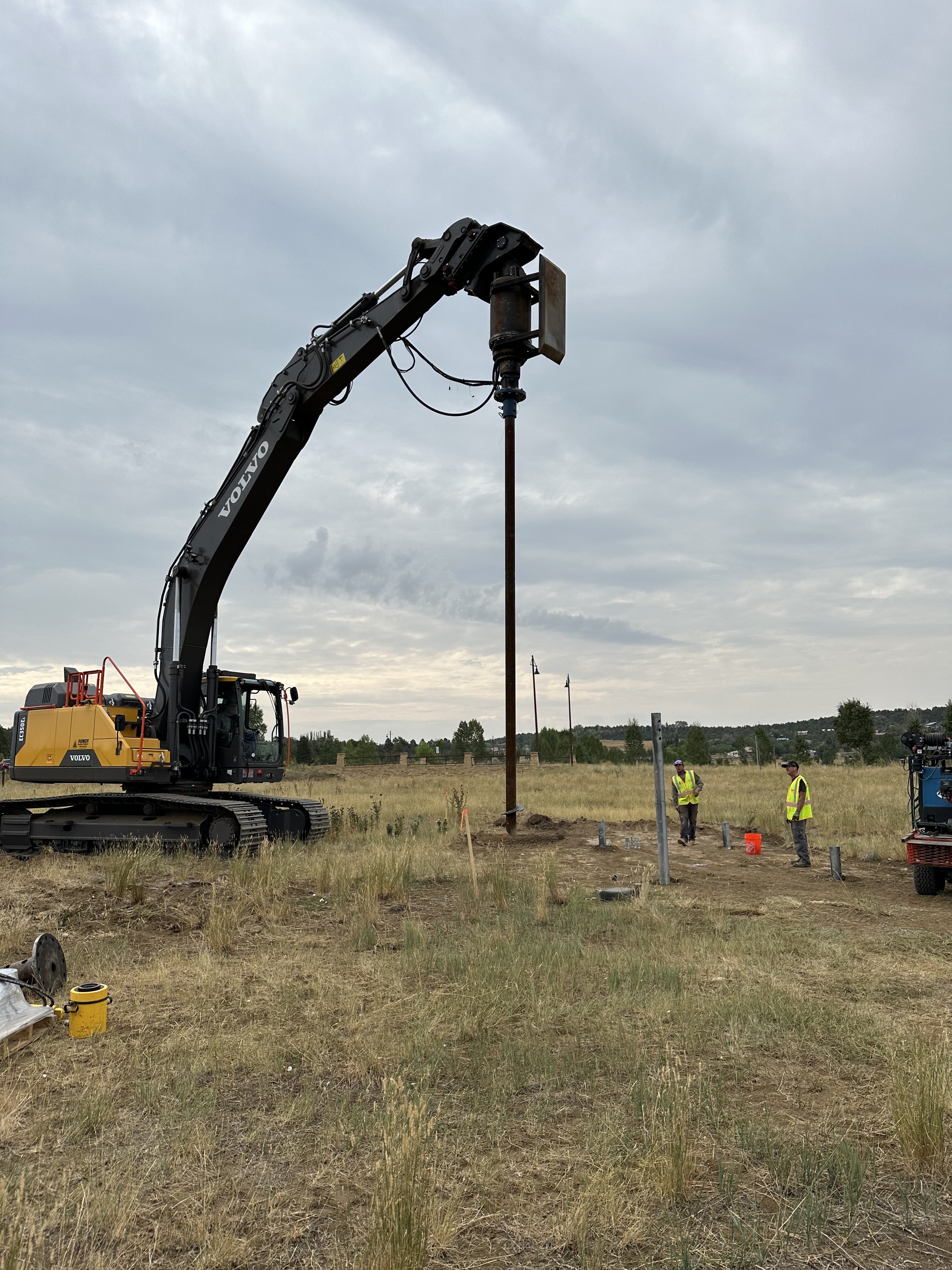
Establish and enforce exclusion zones. Keep unnecessary personnel and bystanders at a safe distance whenever equipment is in motion.
Safety Requires Leadership and Enforcement
Construction safety demands consistent enforcement and clear communication. Foremen and supervisors must reinforce expectations through regular safety meetings and immediate corrective action when risks are identified.
A safe site is not accidental—it is the result of deliberate planning, proper equipment, and professional discipline.
For engineered foundation systems supported by installation expertise and a commitment to jobsite safety, contact the team at MAGNUM® Piering.
#ConstructionSafety #JobsiteSafety #WorkerProtection #HeavyEquipment #FoundationConstruction #SafetyFirst #EngineeringExcellence #MAGNUMPierin