

The Hidden Strength of Renewable: Steel Foundations
Steel foundations are typically constructed using reinforced concrete and steel components or Helical Piles. The steel reinforcement provides strength and resistance to various forces, such as wind loads, seismic activity, and soil conditions. Foundations such as these, are designed to withstand extreme environmental conditions and support the weight of the renewable energy infrastructure. The Hidden Strength of Renewable Energy are Steel Foundations
Advantages of Steel Foundations
Steel foundations offer numerous advantages in the renewable energy industry. This makes them a preferred choice for supporting wind turbines, solar panel arrays, and other renewable energy structures.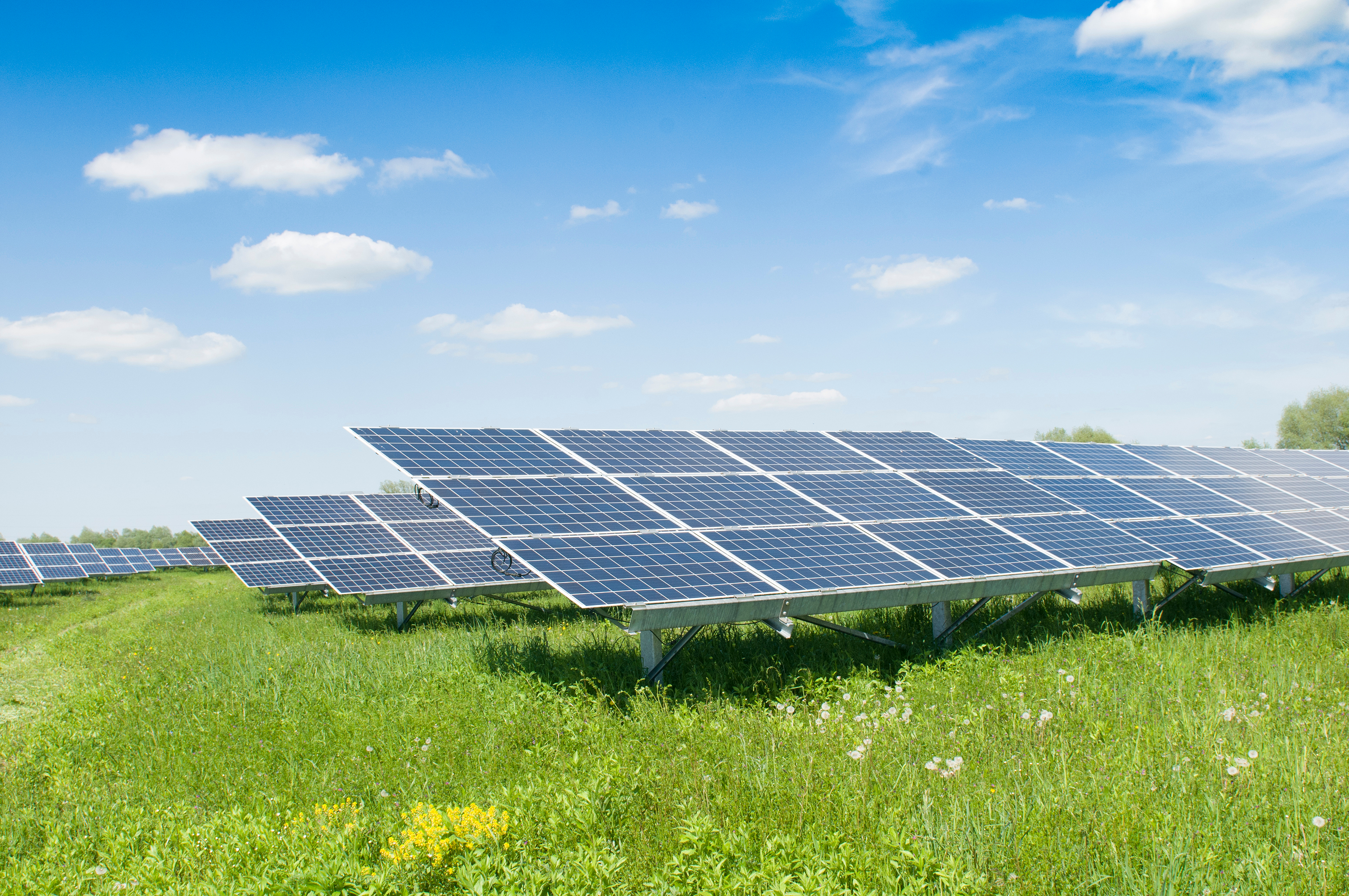 One of the primary benefits of steel foundations is their exceptional strength and durability. Steel’s high tensile strength allows it to withstand immense loads and forces, ensuring the stability and longevity of the structures it supports.
Additionally, steel foundations are highly versatile, enabling them to adapt to various terrains and site conditions. They can be designed and engineered to accommodate different soil types, slopes, and environmental factors. This will ensure optimal performance and minimizing the risk of foundation failures or structural issues.
Steel foundations also offer an advantage in terms of ease of installation and construction. Prefabricated steel components can be transported to the site and assembled quickly, reducing construction time and associated costs. Furthermore, steel foundations are resistant to corrosion, fire, and environmental factors, ensuring long-term durability and minimizing maintenance requirements.
Significant advantages of steel foundations is their ability to be dismantled and reused or recycled. This aligns with the principles of sustainability and circular economy, as steel can be repurposed or recycled at the end of a project’s lifecycle, reducing waste and minimizing the environmental impact.
The strength, durability, versatility, and sustainability of steel foundations make them an attractive choice for the renewable energy industry.
Environmental Impact and Sustainability
The use of steel foundations in the renewable energy industry has significant implications for environmental impact and sustainability. Steel is a highly durable and long-lasting material. Steel foundations are an environmentally responsible choice for projects with a long lifespan.
One of the primary environmental benefits of steel Helical Piles is their ability to be recycled and reused. Steel is one of the most recycled materials in the world, with high recycling rates across various industries. This means that when renewable energy projects reach the end of their operational life, the steel foundations can be recycled and used in other applications, reducing the need for new raw materials and minimizing waste.
The durability and resilience of steel foundations can help extend the lifespan of renewable energy installations. This will reduce the need for frequent replacements and minimizing the environmental impact.
It’s important to note that the environmental impact of steel foundations also depends on factors such as the sourcing of raw materials, transportation distances, and the specific manufacturing processes employed. Responsible sourcing, efficient logistics, and the adoption of sustainable manufacturing practices can further enhance the environmental credentials of steel foundations in the renewable energy industry.
The use of steel foundations in the renewable energy industry can contribute to sustainability. Promoting material reuse and recycling, will reduce carbon footprints, and extending the operational life of renewable energy projects. However, it’s crucial to consider the entire lifecycle of steel foundations and implement strategies to minimize their environmental impact at every stage.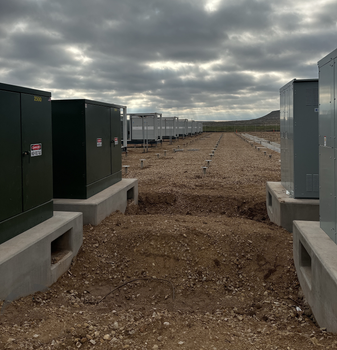
Design and Engineering Considerations
Steel foundations are designed to withstand immense loads and forces from the renewable energy systems they support. Engineers must carefully calculate the wind, seismic, and gravitational loads acting on the structure. This will ensure the foundation can bear these loads without failure. Soil conditions at the installation site play a crucial role in the design process, as the bearing capacity and stability of the foundation heavily depend on the soil’s properties.
For wind turbine foundations, the design must account for the massive overturning moments created by the turbine’s rotating blades and the dynamic loads from wind gusts. Typically, a reinforced concrete mat or pile foundation is used, with embedded steel anchor bolts or cages to secure the turbine tower. The depth and reinforcement of the foundation are determined by factors such as the turbine’s height, rotor diameter, and the site’s soil conditions.
Solar farm foundations are relatively simpler, as they primarily support the weight of the solar panels and the associated racking system. However, in regions prone to high winds or seismic activity, the foundations must be designed to resist these lateral forces. Driven or helical steel piles are often used for solar foundations, as they can be quickly installed and offer excellent load-bearing capacity.
Installation methods for steel foundations vary depending on the project type and site conditions. Driven piles, helical piles, and micropiles are common techniques used for wind and solar projects. For challenging soil conditions grouted helical piles are a viable option. Proper installation procedures and quality control measures are crucial to ensure the foundation’s integrity and performance.
Innovations and Future Trends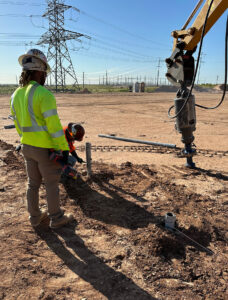

The use of steel foundations in renewable energy projects is continuously evolving, driven by advancements in materials science, engineering, and construction techniques. One of the most promising innovations is the development of high-strength, corrosion-resistant steel alloys specifically designed for harsh environments. These alloys offer improved durability and longevity, reducing maintenance costs and extending the lifespan of renewable energy installations.
The pursuit of sustainability is also shaping the future of steel foundations in renewable energy. Researchers are exploring the use of recycled steel and developing methods for more efficient recycling processes. Additionally, there is a growing interest in incorporating renewable energy sources, such as solar panels or wind turbines, directly into the steel foundation structures, creating hybrid systems that maximize energy production and efficiency.
Looking ahead, the integration of advanced sensing and monitoring technologies into steel foundations is expected to become more prevalent. Embedded sensors can provide real-time data on structural integrity, environmental conditions, and performance, enabling predictive