
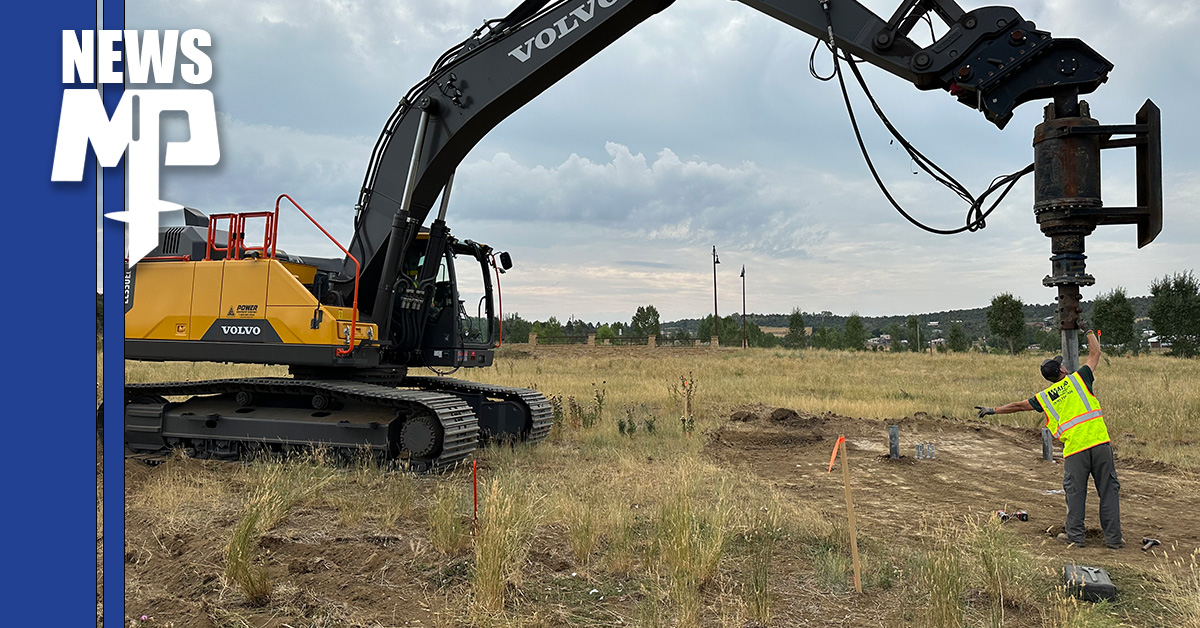
Reducing Environmental Impact with Helical Pile Foundations
Reducing Environmental Impact With Sustainable Construction: Helical Pile Foundations
In an era where environmental sensitivity and sustainability are no longer mere options but priorities, construction practices must evolve. Traditional foundations, with their noise, spoil, and disruption, are gradually giving way to innovative methods. These methods promise to safeguard beautiful and vital natural landscapes. Helical pile foundations are at the forefront of this change. They offer a sustainable and less intrusive alternative that can transform how we approach construction in environmentally sensitive areas.
Embracing Sustainable Construction Method’s
Imagine constructing a building without the roar of heavy machinery, without large trucks carrying away heaps of soil, and most importantly, without leaving an indelible mark on the surrounding environment. This is no longer a far-fetched dream but a tangible reality made possible with helical pile foundations.
At first encounter, these structures might seem simplistic: metal piles with helix-shaped blades that are screwed into the ground. However, there is genius in their simplicity. Helical pile foundations redefine construction by minimizing environmental impact, especially in remote or sensitive areas where preservation is paramount.
Key Advantages of Helical Pile Foundations
Helical pile foundations are beginning to reshape construction tactics for environments where the old ways are no longer viable. Let’s consider why: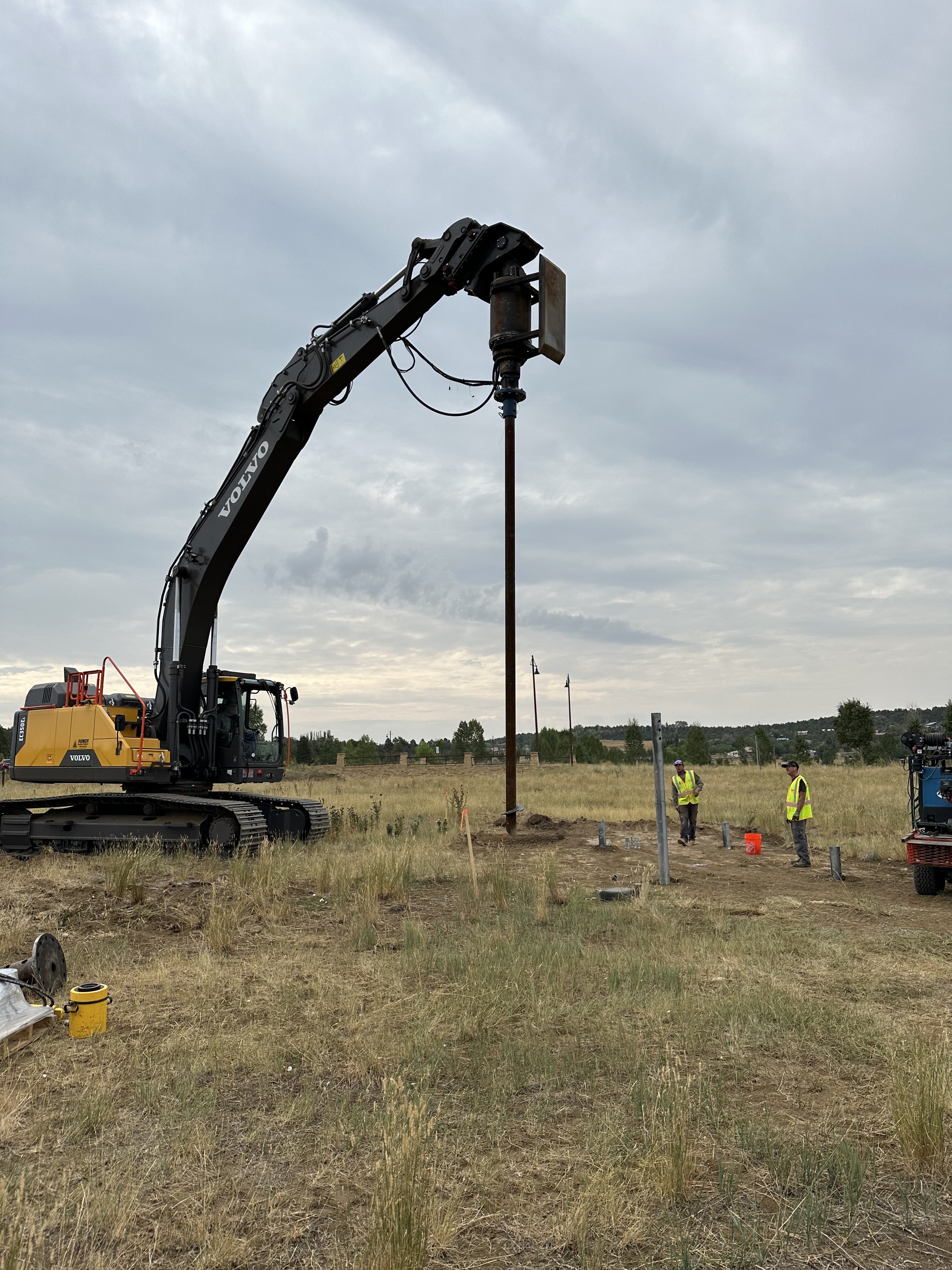
– **Minimal Soil Displacement**: Traditional methods often require large-scale excavation, disturbing ecosystems. Helical piles require significantly less excavation, preserving the integrity of the landscape.
– **Reduced Traffic**: There’s a clear reduction in haul-in and haul-out traffic, crucial for avoiding road and soil erosion in remote areas.
– **Reusability and Removability**: Perhaps one of the most compelling advantages is that helical piles can be completely removed or even reused once they have served their purpose. This ensures that projects are temporary stakeholders in the environments they inhabit.
– **Technological Simplicity and Efficiency**: The use of compact hydraulic equipment ensures installations are swift and efficient, without the need for heavy machinery normally associated with deep foundation projects.
A Learning Moment: Understanding the Broader Implications
The application of helical pile foundations extends far beyond mere installation practices; it is emblematic of a shift in mindset. The real learning moment is recognizing how such innovations compel the industry to rethink its legacy practices.
Consider some implications:
– **Compatibility with Sensitive Ecosystems**: Environments such as wetlands or parks where ecological balance is crucial are potential beneficiaries. Helical piles ensure that the preserved beauty of these areas remains untouched.
– **Adaptation to Challenging Terrains**: In coastal zones and other uneven terrains, no need for leveling or extensive groundwork.
– **Application on Contaminated Lands**: On remediated sites, helical piles offer a non-intrusive approach that stabilizes without exacerbating existing issues.
“When construction meets conservation, innovation flourishes.” This sentiment captures the dual benefit of technological progress and ecological safeguarding provided by helical piles.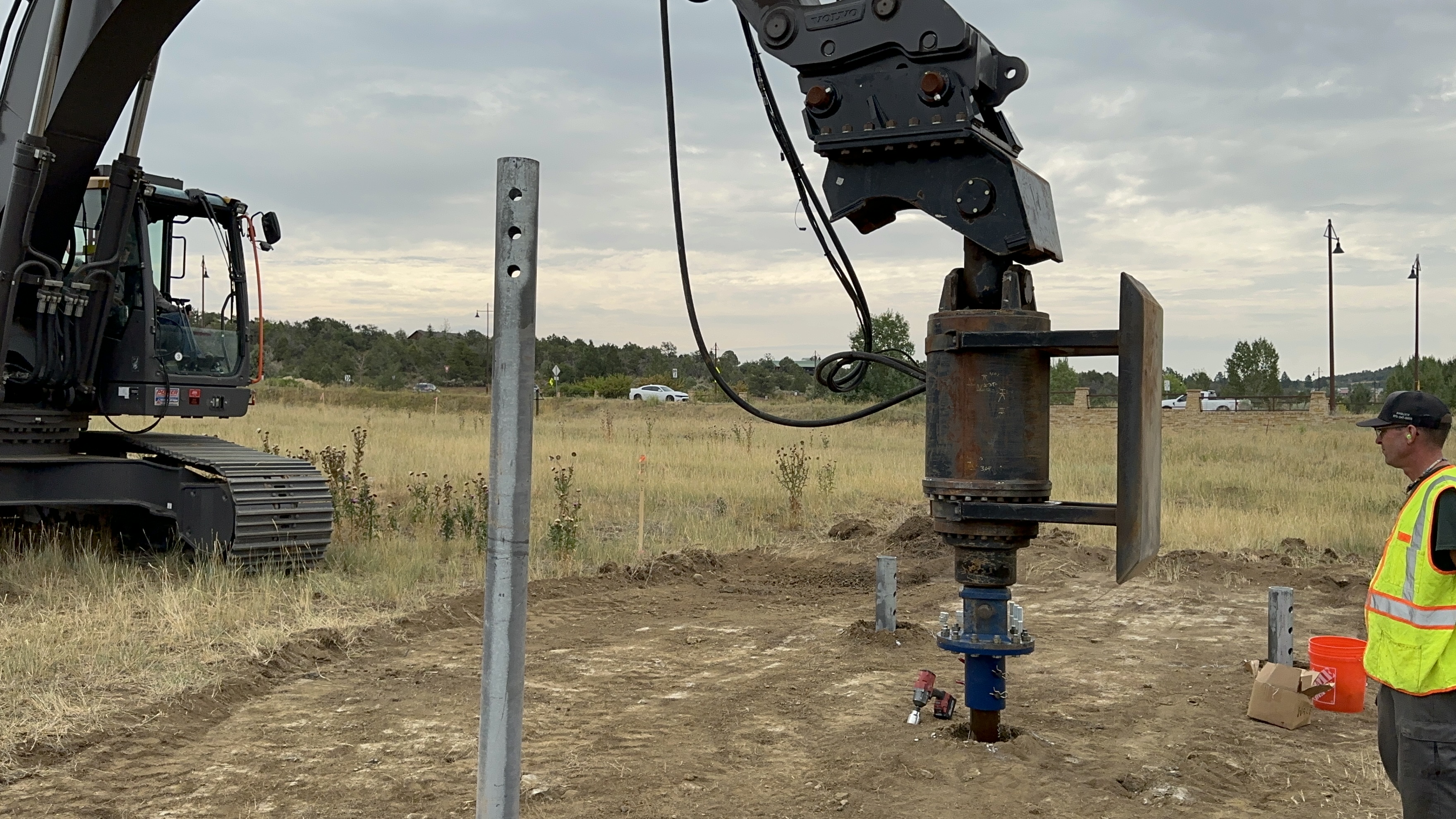
Reflecting on a Sustainable Future
In contemplating the future of construction and environmental stewardship, one cannot help but wonder: What other innovations lie on the horizon, waiting to bridge the gap between progress and preservation? Helical pile technology is an inspiring testament that change is not only possible but necessary. We should explore and implement solutions that honor the delicate balance of our world.
Where will we next find confluence between engineering prowess and ecological care? Sustainable, respectful progress not only benefits us today but creates a legacy for generations that follow.